
The Invisible Architecture of a Hotel.
Why story, not design, is the true foundation of a lasting hotel brand.
24 February 2026
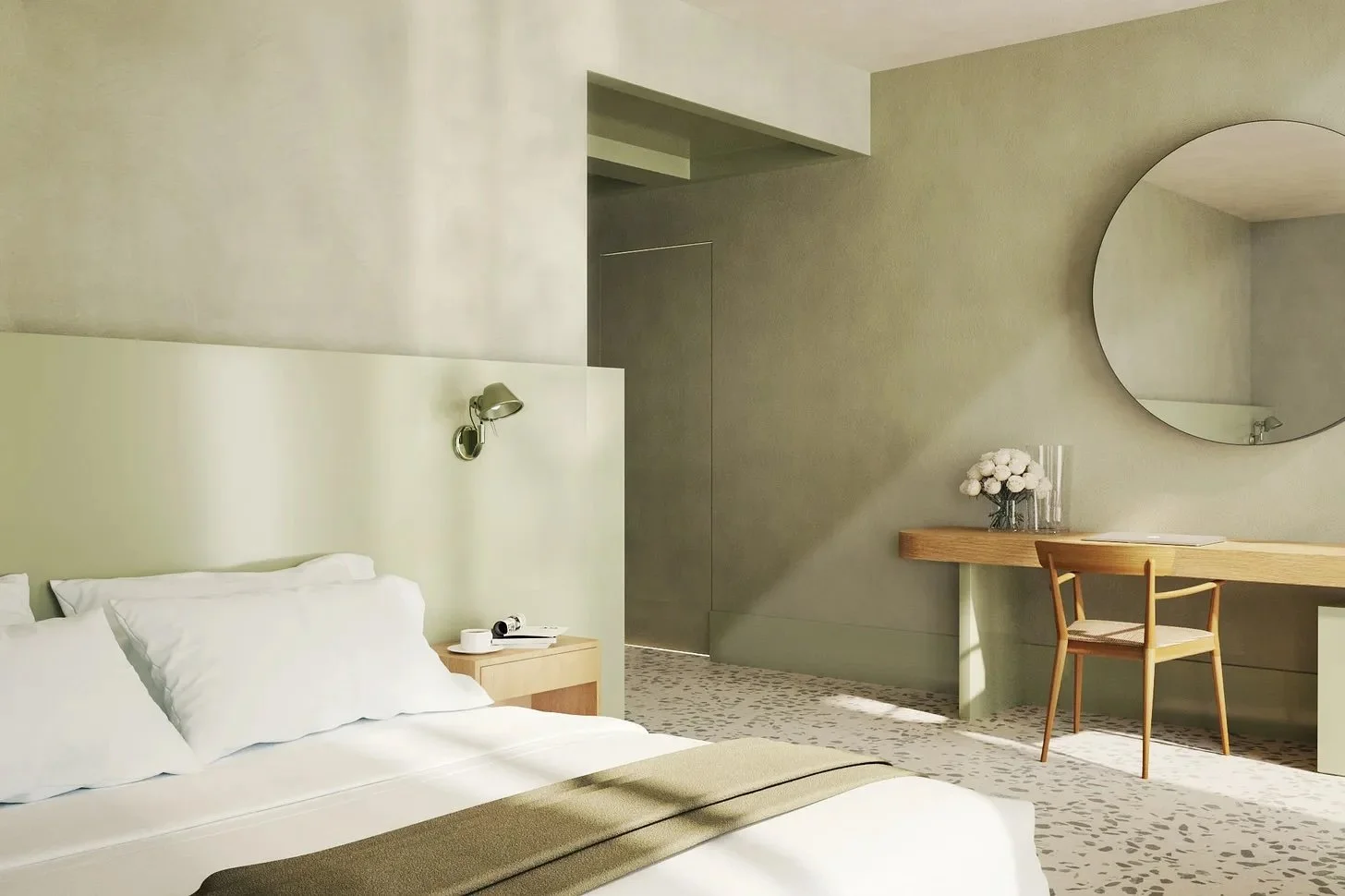
Every hotel has visible architecture. The façade, the materials, the lighting, the careful balance between texture and restraint. These are the elements photographed, awarded and admired. They create atmosphere. They signal taste.
But the hotels people return to and continue to talk about are built on a different kind of structure altogether.
It’s less obvious. It can’t be captured in a single image. And yet it holds everything in place.
This is the invisible architecture of a hotel: the story that binds decisions together long before a guest ever arrives.
When narrative is treated as an afterthought, it becomes marketing copy; something written once the building is complete and the renderings are signed off. A paragraph for the website. An angle for the press release. A loose explanation for why this place exists.
But when it is treated as architecture, it shapes the blueprint. It informs not only how a space looks, but how it behaves. Who it welcomes. What it prioritises. How it responds when things don’t go to plan.
And that distinction is the difference between a hotel that is beautiful and a hotel that feels coherent, and that lasts.





Story as Structure, Not Styling
In many hotel projects, narrative arrives late. The design direction is clear. The interiors are developed. The operator has a sense of the offering. Only then does someone ask: what’s the story?
By that stage, story becomes a layer. It explains decisions rather than guiding them.
Yet the strongest hotel brands begin elsewhere. They start by defining the emotional and cultural logic of the place. Who is this for? What shift in perspective does it offer? What does it believe about travel, about luxury, about community, about place?
Those answers act as load-bearing beams. They determine what belongs and what doesn’t. They influence pricing, partnerships, programming, tone of voice and hiring decisions. They make certain ideas feel inevitable and others feel misaligned.
Without that structure, choices are made aesthetically rather than strategically. A hotel may still look impressive, but its identity will drift. It will bend depending on the market, the season, or the latest trend.
Invisible architecture prevents drift. It gives the brand gravity.
Coherence Is Felt, Not Announced
Guests rarely articulate this in strategic terms. They don’t walk into a hotel thinking about narrative frameworks. But they do feel coherence.
They feel it when the website tone matches the welcome at the front desk. When the restaurant doesn’t feel like a separate business operating under the same roof. When the in-room copy, the scent in the corridor and the cadence of service all belong to the same world.
These are not isolated touchpoints; they are structural elements. Together, they create a sense of inevitability. The quiet impression that everything here makes sense.
That sense of inevitability is powerful. It builds trust. It creates emotional clarity. It allows a guest to relax into the experience rather than question it.
And in a crowded market, clarity is increasingly rare.
Why It Matters to the Media
This invisible architecture also shapes how a hotel lives beyond its walls.
Editors and journalists are not short of beautiful properties to feature. What they look for is perspective. Cultural relevance. A reason this place exists now, in this location, for this audience.
A hotel without narrative is an opening. A hotel with narrative is a story.
When the underlying structure is clear, media coverage feels earned rather than engineered. The angle doesn’t need to be forced; it’s embedded in the concept itself. The property becomes part of a wider conversation about travel, design, community or modern luxury.
In that sense, story is not only experiential capital. It’s cultural capital.
Building From the Inside Out
In a sector increasingly defined by aesthetics, self-knowledge is what separates the memorable from the merely photogenic.
Beautiful hotels can be built without story. But they rarely endure with long-term gravitas without it.
Because the most important architecture in a hotel is the kind you cannot see - the structure that holds every decision in place, and gives guests something far more lasting than a well-designed room.
It gives them meaning.
Hotels Where Story Becomes Structure
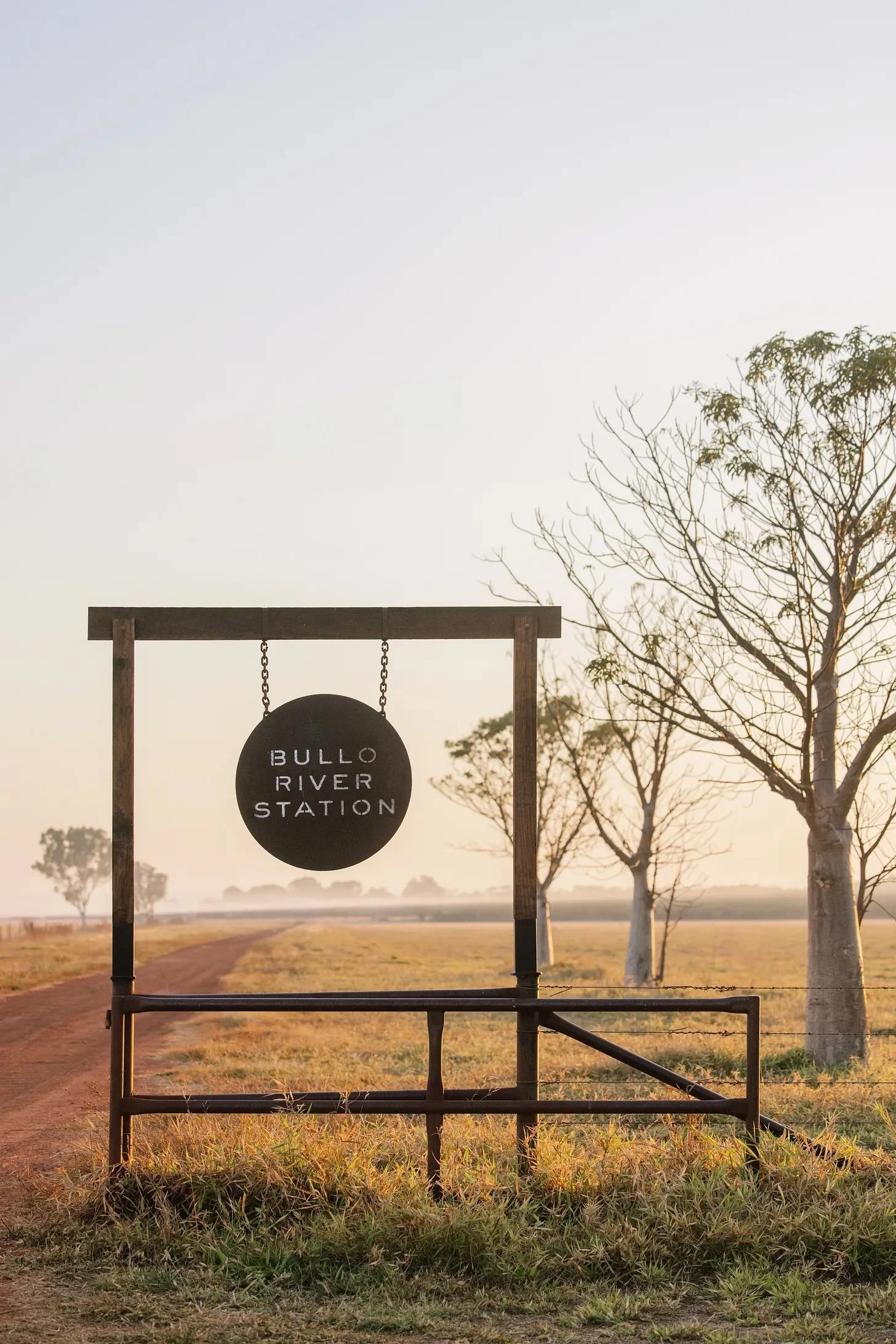
Bullo River Station in Australia’s NT is a masterclass in place as narrative. It doesn’t theme the outback, it immerses guests in it, with a sense of scale, solitude and authenticity that runs through the entire experience. The story isn’t explained; it’s lived, and that’s what makes it memorable.
Ett Hem in Stockholm offers something rarer than luxury: belonging. Its story is not about spectacle, but about intimacy. It’s a hotel that behaves like a private home, with the warmth, rhythm and calm that implies. Every detail supports that feeling, and the result is a brand guests don’t just admire, but emotionally attach to.
Social business, Good Hotel, proves that story can be operational, not just aesthetic. The narrative isn’t simply told through design or language, it’s embedded in the business model itself, shaping the guest experience through purpose, community and impact. In a market saturated with “curation,” this kind of structural integrity is what stands out.